
 Verified Purchase





The Art of Chanderi: Where Silk Threads Tell a Story
Unravel the intricate weaving techniques and artisan magic behind Chanderi’s ethereal beauty.


Chanderi Sarees: The Ultimate Style Statement for Every Occasion
Explore the fine craftsmanship, zari work, and stories behind each handwoven Chanderi drape.


Key Takeaways
-
Chanderi's royal heritage dates back to the Vedic era, and this form of weaving has been enriched through centuries by virtue of Mughal aesthetics and other royal patronage.
-
Chanderi is well known for its feather-light, translucent finish and beautiful motifs. Chanderi fabric is hand-woven using traditional wooden looms.
-
Chanderi comes in three main varieties: Chanderi cotton, Chanderi silk, and Chanderi silk cotton.
-
Despite its beauty, Chanderi weaving faces threat from declining interests among the younger generation and an influx of imitation products.
In this Article
In this article, we shall unfold the pages of history and take you down the memory lane to experience the rich heritage of Chanderi weaving. From its Vedic origins and royal patronage to translucent beauty, we have talked about it all. We shall also touch upon the traditional motifs, handloom techniques, and different types of Chanderi fabrics.
Furthermore, we shall take you through some tips to identify authentic Chanderi by helping you understand the weaving process and how this art comes to life.
Introduction
“Soft as a whisper, sheer as mist; Chanderi is a tapestry of our lineage and heritage woven with love.”
Designers from across the world feel that Chanderi weaving does not just produce exquisite clothing, but also invites you to revel in stories of Indian heritage, craftsmanship, and skilful weaving.
Born in the historic town of Chanderi in Madhya Pradesh, the Chanderi weaving process produces a breathtaking textile, which is a woven treasure of India that is deeply steeped in history, artistry, and legacy. No matter if you are enchanted by the beauty of the Chanderi weave, Chanderi fabric, Chanderi silk sarees, or want to know more about the traditional Indian weaving techniques, this blog is going to walk you through everything.
What Is Chanderi Weaving
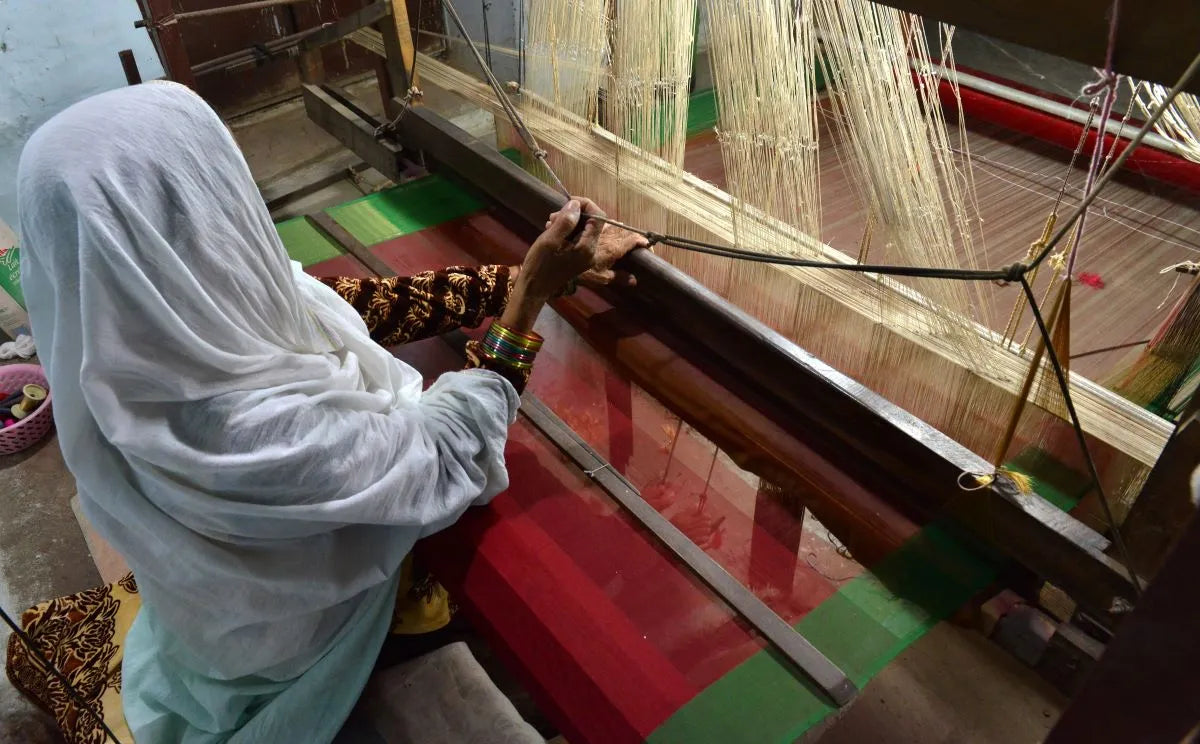
Chanderi weaving is an age-old handloom tradition from Madhya Pradesh that is known for its lightweight, luxurious texture and transparent finish. Chanderi Craft or Chanderi Art is very well known for its sheer quality and intricate traditional motifs that simply set it apart.
Let us try to understand it even better.
-
Chanderi Fabric
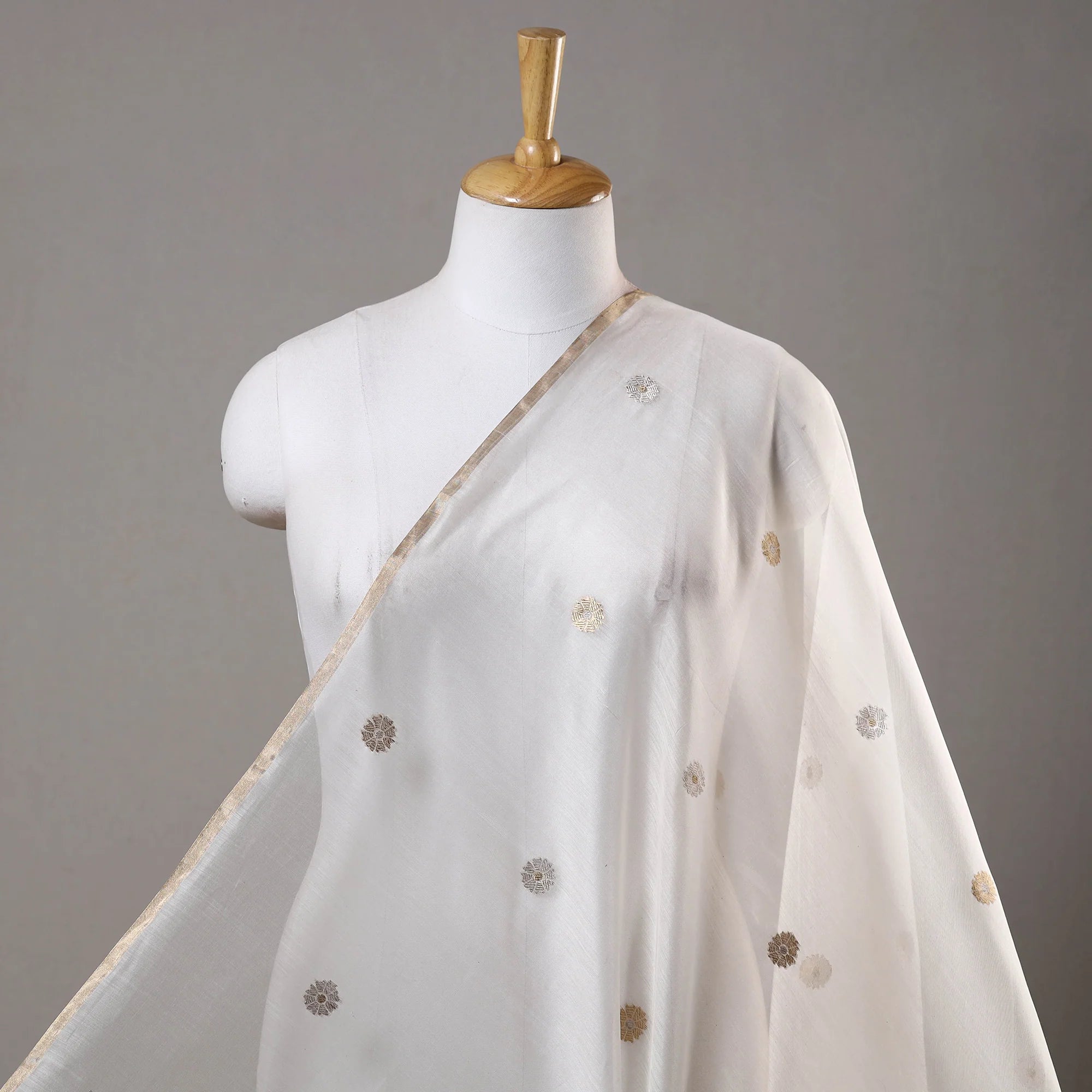
Chanderi is made using silk-cotton or cotton-silk blends that give Chanderi weaving fabric that soft and breezy texture. Chanderi work's subtle sheen is further enhanced with zari work, which makes it perfect for festive wear.
-
Types
There are different kinds of Chanderi textiles, like Chanderi silk, which is glossy and rich, Chanderi cotton, which is breathable and excellent for summer wear, and Chanderi cotton-silk, which gives you the best of both worlds!
-
Chanderi weaving techniques
The handloom Chanderi weaving process is where the magic lies. Here, artisans interlace threads using traditional wooden looms that give Chanderi fabric its hallmark finish.
-
Motifs
The traditional motifs used in Chanderi weaving include booties, bracket coin patterns, florals, peacocks, geometric patterns etc. that are often woven with fine zari to give the fabric a regal look.
-
Cultural Significance
The Chanderi fabric from Madhya Pradesh has been a favourite among royal families and continues to be a source of pride for traditional Indian weaving. Many sarees and suits that are worn at weddings, temple visits, or cultural events often feature authentic Chanderi work.
-
Legacy
The origin and history of Chanderi fabric can be dated back to the Vedic period, and we find its mention in ancient scriptures as well. In fact, the town of Chanderi is a region that served as a cultural crossroad for Gujarat, Mewar and the Deccan region in ancient times, and therefore Chanderi weaving was enriched with diverse influences over time.
History: The Origins of Chanderi Weaving
Chanderi weaving is woven with history and presented in royalty.
-
Vedic Beginnings
According to our Vedic scriptures, the story of Chanderi fabric begins was introduced by Shishupal, Lord Krishna's cousin. This reference hints at how deep-rooted the Chanderi craft actually is.
-
The Mughal influence
During the Mughal era, Chanderi fabric became the fabric of queens. Its sheer textures and motifs became a reflection of Mughal aesthetics.
-
The 19th century
Around the 1890s, hand-spun yarns came to the fore. Mill-made yarns came to the fore and slowly replaced hand-spun yarns. Around this time, gold thread motifs were introduced. And these were used on cotton muslin sarees to make them look regal.
-
Japanese silk
Chanderi weaving saw another twist in the 1930s when Japanese silk was introduced. This fabric was a blend of softness, sheen, and tradition.
-
The royal patronage
The Scindia family of Gwalior promoted Chanderi sarees in the early 20th century to cement the place of Chanderi fabric as a symbol of bespoke elegance.
-
Revival of Chanderi art post-independence
Government efforts, NGOs, and designers have helped Chanderi weaving make a strong comeback. Thanks to all of them, Chanderi art is thriving today, empowering the livelihoods of weavers and artisans, while inspiring fashion collections worldwide.
-
GI Tag Recognition
In 2005, Chanderi Fabric received the Geographical Indication GI Tag. It was meant to protect the authenticity of Chanderi weave and acknowledge its birthplace, Chanderi, Madhya Pradesh.
What Makes Chanderi So Special?
Here is a lowdown of everything that makes different types of Chanderi sarees and textiles super special;
-
Sheer beauty
The Chanderi fabric is featherlight, and the see-through texture is unlike any other.
-
Handwoven
Every Chanderi textile is crafted on handlooms by artisans and not machines.
-
Meaningful motifs
From peacocks to lotuses and more. Each Chanderi motif has cultural depth and artistic legacy.
-
Versatility
Perfect for sarees, jackets, or dresses. Chanderi fabric has become a highly sought-after choice for interior decor as well.
Process of Chanderi Weaving
Preparation of Yarn
The process begins when the yarn is carefully spun and then dyed in various vibrant colours. Usually, cotton and silk yarn fibres are used.
Setting of Warp
Once ready. The warp yarns are ready to be set on the loom, which holds the threads vertically. The threads are arranged neatly to form the base of the fabric.
Designing
The most important part is getting the various characteristic designs of the Chanderi weave right using hand-printed techniques. These motifs include florals, geometric patterns and more
Weaving
This part is where the traditional weavers show their magic and weave the fabric using handlooms to create the desired pattern. They need to create a balanced and consistent Chanderi weave, which proves to be an exceptionally demanding task.
Embellishing
The fabric may undergo further embellishments such as zari work in gold, copper or silver colours depending on the design.
Finishing
This step involves washing the fabric, starching it, and applying pressure to develop its drape and texture. This gives it a rich and polished finish.
Types of Chanderi Fabrics
From the royal courtyards of history to modern wardrobes, Chanderi fabric continues to mesmerise people with its charm. Here are different types of Chanderi sarees and textiles that have their own features, texture, and use:
-
Chanderi Cotton
Chanderi cotton is soft, breathable, and lightweight. Its sheer texture makes it perfect for Indian summers. Clothes made from Chanderi cotton can be worn to the office, temple visits, or any other occasion.
-
Chanderi Silk
If you want to dress to impress, Chanderi silk sarees should be your go-to. Chanderi silk that is adorned with traditional Chanderi motifs is an absolute show-stopper because it is glossy, looks and absolutely radiant. This particular fabric is very well known for its graceful drape and royal feel. Therefore, its price point is also higher than Chanderi cotton.
-
Chanderi Silk-Cotton
Chanderi Silk Cotton combines the softness of cotton with the shimmer of silk. This fabric is suitable for day events or evening functions and comes at a mid-range price point.
Challenges Faced by Chanderi Weavers
Behind the beauty of every Chanderi saree lies the skill and hard work of its artisan. However, the Chanderi weaving process and its legacy are facing several modern challenges such as:
-
Competition from Power Looms and Duplicates
Machine-made fabrics can mimic the look of Chanderi fabric at a lower cost. Since the market is flooded with imitations, there is a lack of demand for handloom weaving that adversely affects the livelihood of real artisans.
-
Low Wages and Migration of Craftspeople
Despite their exquisite artistry, Chanderi weavers often receive low wages. Therefore, younger generations decide to abandon the traditional Indian weaving craft and migrate to urban areas in search of well-paying jobs.
-
Limited Awareness Among Younger Generations
With the advent of modern fashion, the desire for heritage Chanderi art is fading. There are very few who understand the value of original Chanderi silk saree or take pride in the story of its origin and history.
Tips To Identify Real Chanderi
Well, it is no secret that the market is always flooded with replicas, and knowing how to identify authentic Chanderi handloom sarees is super important. This is how you can spot the real beauty:
-
Touch and Texture: Sheer, soft, and lightweight
Real Chanderi fabric feels light, sheer, and soft to touch.
-
Motif Clarity and Zari Work:
Chanderi motifs like booties, coins, and lotuses are hand-woven, which means that they may have irregularities. This is a sign of handwork and not a flaw. Moreover, the zari which is used in Chanderi work is very fine and it is either gold or silver toned.
-
Price Point and Source
Chanderi weaving is a labor-intensive process and the price will reflect that. We suggest that you look for origin tags and buy from trusted sources like iTokri that support and promote traditional Indian textiles.
Chanderi in Modern Fashion
https://www.tradeuno.com/blogs/news/10-modern-ways-to-style-Chanderi-fabric-for-women
How to Care for Your Chanderi the Right Way
You should avoid washing the fabric too often. If you must, use lukewarm or cold water to hand wash it or dry clean it.
Dry the fabric in the shade as much as possible and avoid direct sunlight. This can cause fading and damage to the dye.
As Chanderi fabric comes with embellishments, you should avoid ironing on those and always iron on medium to low heat.
Store it in a cool and dry place to increase its longevity.
Avoid spraying perfumes and other chemicals sprayed directly onto the fabric.
Handpicked Heritage: iTokri’s Chanderi Collection
The Chanderi textile collection on iTokri is a tribute to India's weaving heritage. Every piece has been thoughtfully curated to cherish the celebrated art of the loom;
Chanderi Fabric
From suits to dresses, our collection of Chanderi fabric is perfect for anyone who wants to custom stitch their garments that personify their style, while being elegant and comfortable.
Chanderi Dupatta
Our Chanderi dupattas are lightweight, graceful, and the perfect accessory for any outfit. Every dupatta features the timeless Chanderi weaving technique and designs that can instantly uplift your look.
Chanderi Silk Dupatta
Our Chanderi silk dupattas are woven with care and delicately highlighted with zari work, making them perfect for festive occasions and special moments.
Chanderi Silk Dress Material:
Do you want to put together a wardrobe that blends contemporary cuts with heritage grace? If yes, our Chanderi silk dress material is waiting to be transformed into Anarkali's kurtas or Indo-western dresses that will help you create outfits with a soul.
Frequently Asked Questions
1. What other dresses can be made with Chanderi fabric?
Chanderi fabric can be used to make sarees, dress materials, stoles, dupattas and more.
2. How is Chanderi fabric made?
The Chanderi fabric process involves several steps such as preparing yarn, warp setting, designing, weaving, embellishments and finishing.
3. Which yarn is used in Chanderi?
Silk or cotton silk yarn is used in Chanderi.
4. Chanderi weaving is from which state of India?
If you are wondering where Chanderi is, it is from a town in Madhya Pradesh known as Chanderi.
5. What occasions is Chanderi best suited for?
Chanderi sarees and textiles are very versatile. Where Chanderi silk is perfect for weddings and formal events, Chanderi cotton can be used for daily wear or even traditional outings. The sheer beauty and royal motifs make Chanderi suitable for all occasions.
6. Can Chanderi be worn in summer?
Chanderi cotton and Chanderi silk cotton fabrics are very breathable and lightweight, which make them apt for Indian summers. Their texture and feel, make Chanderi one of the finest traditional Indian weaving forms that is very well suited for warm weather.
Popular Blogs
Leheriya tie-dye techniques | Ajrakh print origin in India | Types of Bandhani patterns and their symbolism | Traditional Sanganeri printing technique | Custom Handmade Stitched Outfits | How to choose fabric | Difference between linen and cotton fabric | GI tag handcrafts in India | Best colour combination for saree


Leave a comment (all fields required)