
 Verified Purchase





Bagh Fabrics: The Timeless Symphony of Red, Black & Craft
Explore how Bagh prints preserve heritage through every motif and meter.


Kalamkari Block Print Fabric: Rooted in Ritual, Revived for Today
Dive into the soulful hues and motifs of Kalamkari — a living tradition of block printing passed down generations.


Drape the Art, Stitch the Story: Hand Block Printed Dress Sets
Discover the journey of hand block prints that blend beauty, heritage, and choice.


Introduction
There's something incredibly special about running your fingers over fabric and knowing it was made by hand. Traditional Indian block printing techniques aren't just about style—they carry the soul of centuries-old craftsmanship. From the colourful streets of Jaipur to the earthy tones of Kutch, this art form has travelled through generations, regions, and now, into your wardrobe.
If you've ever wondered how block printing is done in India, what makes it so loved across the world, or where to buy authentic block print textiles online, you're in for a treat. Let's take you through the story behind this indian handicraft—its legacy, techniques, regional styles, and where it stands today.
What is Block Printing
How often do you walk past a fabric and realise there's a story behind it? Well, that's exactly what block printing is all about. Block printing is not just about printing on a cloth. It's a whole world of tradition, craft, and some impressive skill.
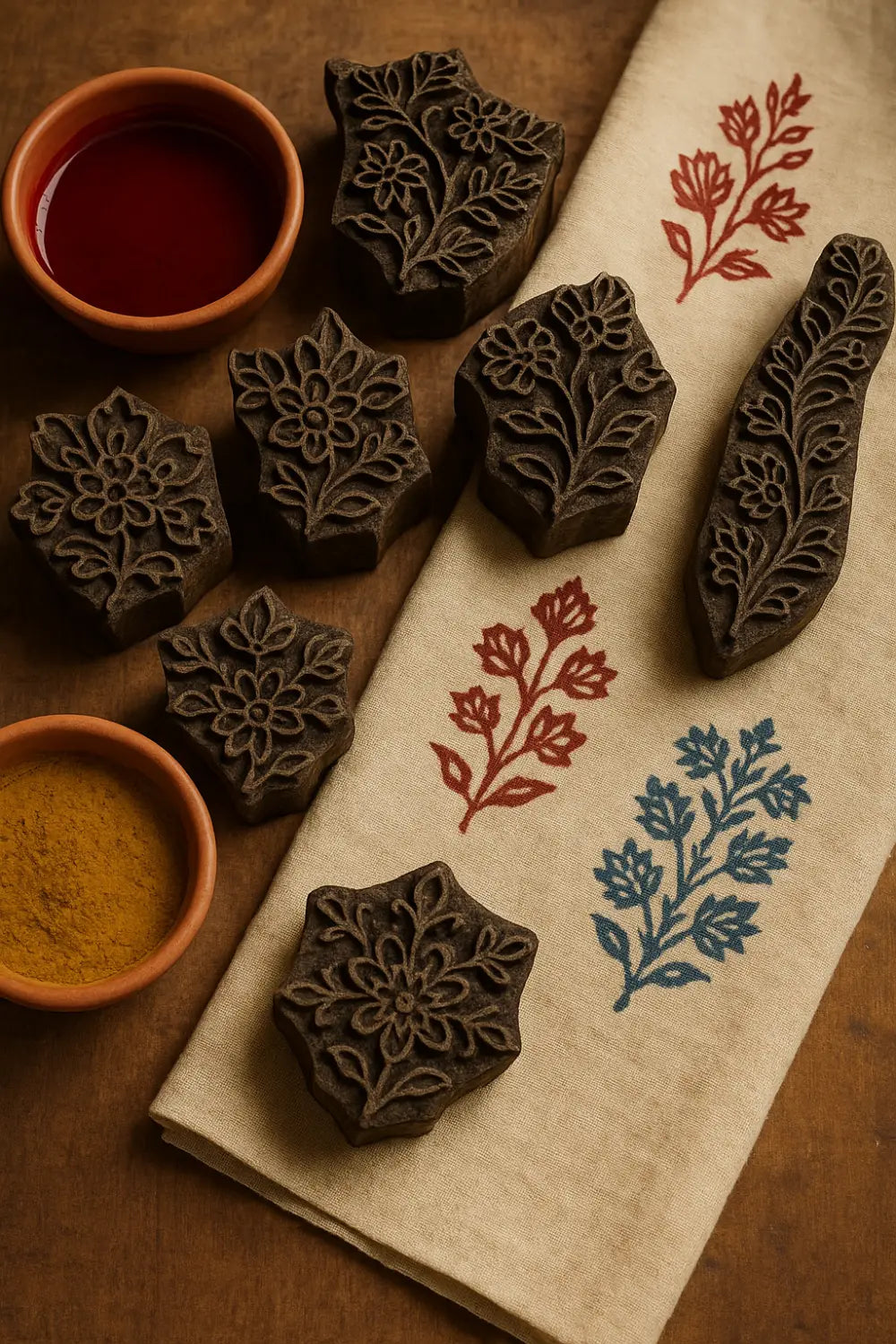
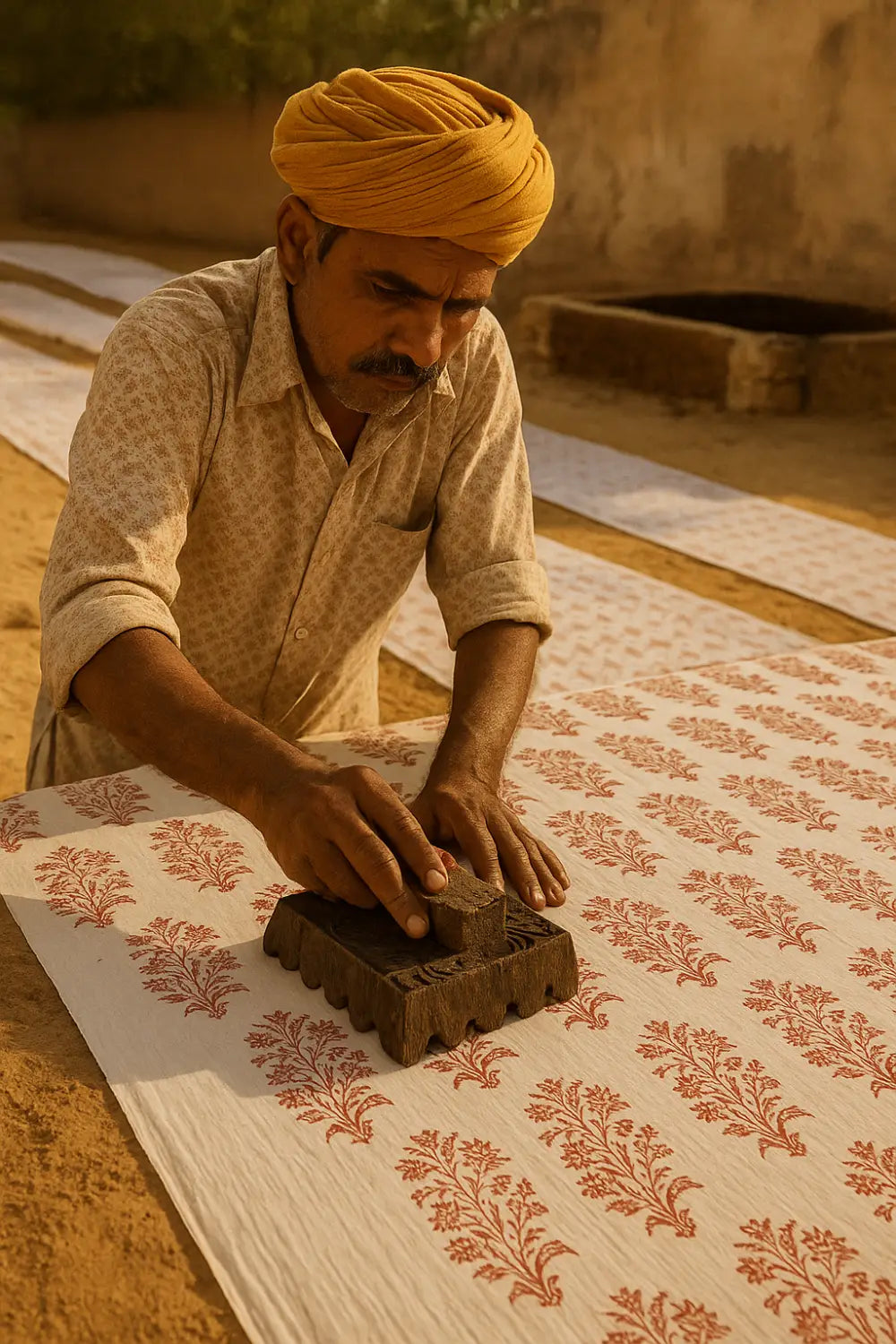
So here's the thing. With hand block printing, artisans actually carve designs into wooden blocks (yes, real wood, by hand!), dip them into natural dyes, and stamp them onto fabric. One block, one colour, one press at a time. It's slow, it's detailed, and honestly, it's kind of magical.
And the patterns? They're everything. You'll find all kinds of block print patterns—florals, leaves, paisleys, even tiny dots—and each one has its own charm. Whether you're into bold or delicate, there's a block printing design for you. And what's lovely is that no two pieces are exactly the same.
There are different types of block print, too, depending on the region it comes from. That's the beauty of it, each style carries a little piece of its place and people. And when you feel that soft, earthy block print cloth, you can actually sense that heritage.
The whole block printing process is thoughtful and rooted in sustainability—natural colours, handmade tools, and loads of heart. It's a slow craft in the best way.
Brief History of Block Printing
Let's rewind a bit and talk about the history of block printing—because it's honestly fascinating.
So, did you know that block printing didn't actually start in India? It first showed up in ancient China, and from there, it travelled across East Asia, gaining popularity along the way. (1) But here's the interesting part—the earliest known example of block print history isn't on fabric at all. It's actually a book! The Diamond Sutra, printed way back in 868 AD, is the oldest surviving block-printed text—and if you're ever in London, you can see it at the British Museum.
Now, if there's one place where block printing truly comes to life, it's India. The colours get bolder, the patterns more intricate, and the stories—well, they go way back.
Block printing in India really started to flourish during the Mughal period. Since then, it's become so much more than a craft—it's part of who we are. What's really beautiful is how the block prints of India aren't the same everywhere. Each region adds its own spin, its own symbols, its own little traditions to the mix.
Block printing made major inroads in India during the Mughal period, and over the years, the Indian ethnic block printed fabric has become an endearing textile choice for people across the globe.
Video Credit:- Beyondfilms
Block Printing in Rajasthan
The northwestern state of Rajasthan is a land steeped in history, culture and arts. Rajasthani block printing tradition has flourished over centuries, and today, Jaipur block print fabric has built its own legacy.
In the 12th century, the origin of block printing in Rajasthan can be traced back to the Chippa community of the Bagru area. They introduced this unique craft, marking an important chapter in the broader block printing origin story. Motifs were carved into wooden blocks skillfully using chisels and other tools, and these blocks were used to make prints on fabric using vegetable dyes.
The skills of wooden block printing have been passed through generations among artisan communities. This has made Rajasthani block printing immensely popular. That's why places like Jaipur, Bagru, Sanganer, Barmer, and Sikar have emerged as hubs of ethnic block-printed fabrics in Rajasthan. Each of these places is known for its own uniqueness and represents different types of block printing in India.
With the high presence of block print fabric suppliers in Rajasthan, many of these types of block printing techniques have earned Geographical Indication (GI) Tags in India. Sanganeri hand block printing received a GI tag in 2009, while Bagru hand block printing received it in 2011.
Types of Block Printing
iTokri is an online portal that has aggregated traditional art forms, and one such exhibition on the website is a bespoke range of different kinds of Indian block print. This beautiful craft has deep roots, and if you've ever wondered where block printing originated, the block print origin traces back to ancient China before spreading across Asia and evolving in India with stunning regional variations.
Ajrakh Block Printing
Ajrak is one of the most famous types of block print. Ajrakh Printed Products relies on the use of natural vegetable dyes. It is characterised by crimson red and indigo hues as the background on the printed cloth. This form of block printing is very prevalent in Gujarat, Kutch, Rajasthan, and Sindh, Pakistan. Among the many types of hand block printing, Ajrakh stands out for its precision and cultural depth.

{Image Credit:- Sufiyan Khatri}
Akola Block Printing
This kind of block printing is widely practised in the Udaipur region of Rajasthan. A beautiful example of traditional Indian block printing, this art form relies mainly on the 'Dabu' technique, which means 'to press'. The patterns used for Akola Block Print Products are inspired by nature and other traditional objects, reflecting the deep roots of Indian block printing and its rich block history.

{Image Credit:- IFAM}
Bagh Block Printing
Bagh is a traditional Indian block print that originated in the Bagh district of Madhya Pradesh. The colours used for dyeing this hand block print fabric are all natural colours, and they pivot mainly around red and black. The Bagh Block Print Products cotton-dyed dupatta from iTokri can be a great addition to your wardrobe if you are looking for something ethnic to amplify the appeal of your outfits. While not part of Rajasthani block printing, Bagh holds its own special place in the rich tradition of block printing on fabric history in India.
{Image credit:- BaghPrint.co}
Bagru Block Printing
Bagru block printing is a special kind of block-printed fabric that is done using a 'Chippa' and natural colours. The design is engraved on the wooden block and then engraved on the fabric. The technique is one of the most well-known traditional Indian block printing techniques still practised today. The Bagru block print products cotton men's full sleeves shirts on iTokri is a super smart and traditional men's shirt that can spruce up your wardrobe in no time. Handmade block printed fabrics India collections like this are a great example of timeless Indian craftsmanship. Bagru block print fabric suppliers are one of the oldest in India.
Batik Block Printing
Batik block printing originated in Indonesia, and it entails printing a design on cotton fabric using wooden blocks dipped in paraffin wax. It is a cumbersome task because the wax is resistant to dyes, and it has to be removed in order to allow the artisan to add colour to the cloth. Among the many types of Indian block printing styles, Batik holds a unique place for its technique and finish. Even though its roots lie outside India, it has influenced several regional practices. If you're looking to explore more, you can buy authentic block print textiles online and discover a world of handcrafted stories in every piece.
{Image credit:- Khamir}
Kalamkari Block Printing
Kalamkari is a special hand-painted textile that is produced in the Indian state of Andhra Pradesh. There are twenty-three steps involved in the making of this special Indian block print fabric, and there are two types of Kalamkari fabric known as Srikalahasti and Machilipatnam. It's a beautiful example of how block printing is done in India, blending storytelling with intricate handwork. The Pedana Handcrafted Kalamkari Block Print Products Cotton Double Bed Cover from iTokri can add oodles of charm to your home decor, just like the timeless elegance seen in Rajasthan block printing history.
Kutch Block Printing
Kutch block printed fabric usually involves printing a similar design on fabric using different techniques, including the famous Ajrakhi prints. This special block printing technique originated in Kutch nearly four hundred years ago, and it has amassed a huge fan following ever since. Today, it also plays an important role in promoting sustainable block printed fashion India. This design celebrates traditional methods with a modern purpose.
Pipad Block Printing
This Pipad block printing involves the use of wooden blocks for printing with nails protruding from them. Using this technique, various kinds of floral, traditional, and geometrical designs are printed with natural dyes. These designs showcase the beauty of natural dyes used in Indian block printing. Many artisans continue this heritage, creating beautiful pieces like artisan-made block-printed sarees and kurtis that blend authenticity with timeless appeal.
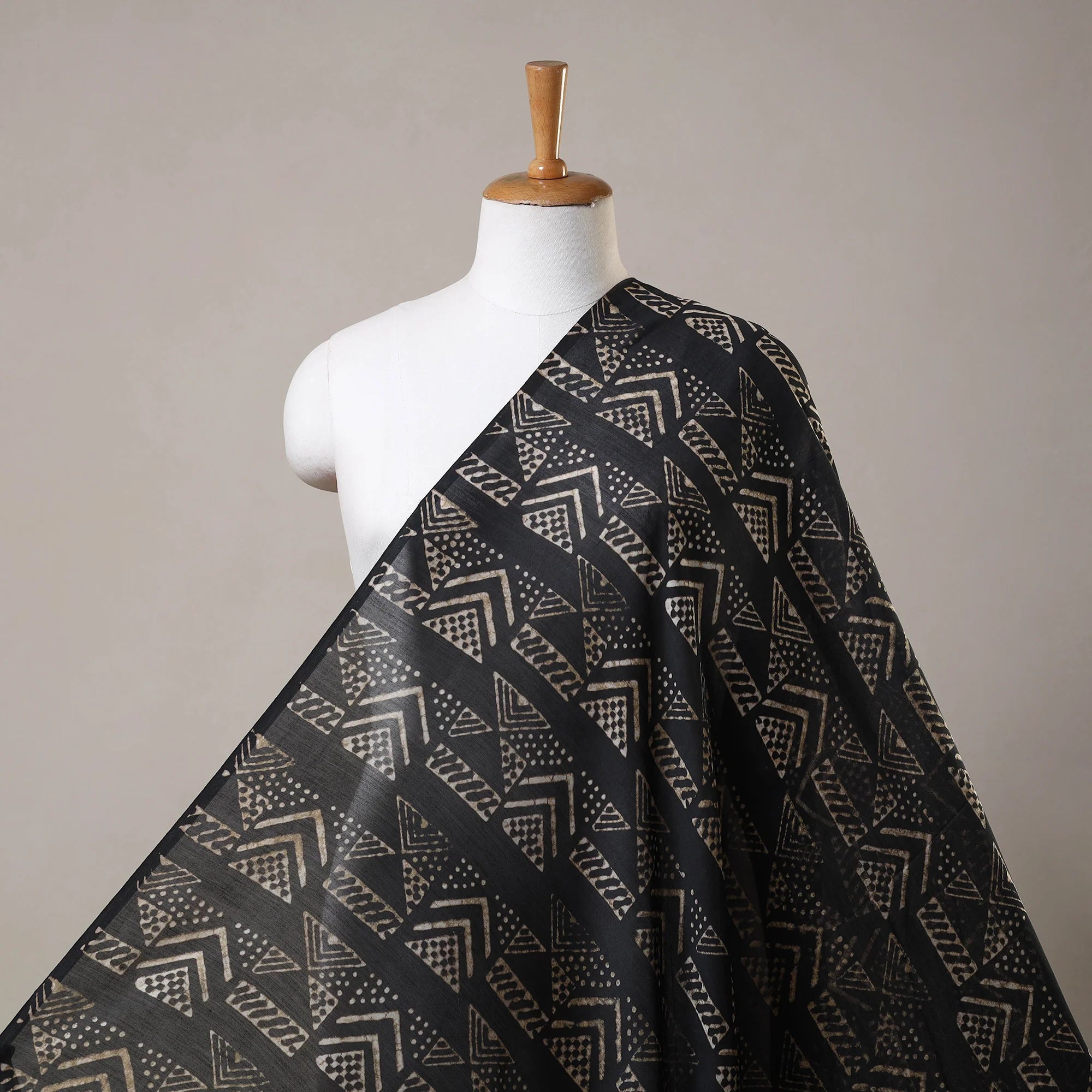
Sanganeri Block Printing
This type of hand block printing technique is practised in the Sanganeri district of Rajasthan. Primarily, red and yellow colours are used for this kind of block printing, and the motifs/designs are usually inspired by nature. Moreover, the dyes used in Sanganeri block printing are natural dyes, making it a perfect example of fair trade hand-block printed products India, where age-old craft meets ethical fashion.

Tools & Techniques of Block Printing
We have included a list of tools and techniques that are used in various types of dyeing techniques in India. Each of these tools plays a unique role in shaping the rich tradition of hand block printing. They contribute to the diversity of block print art we see today:
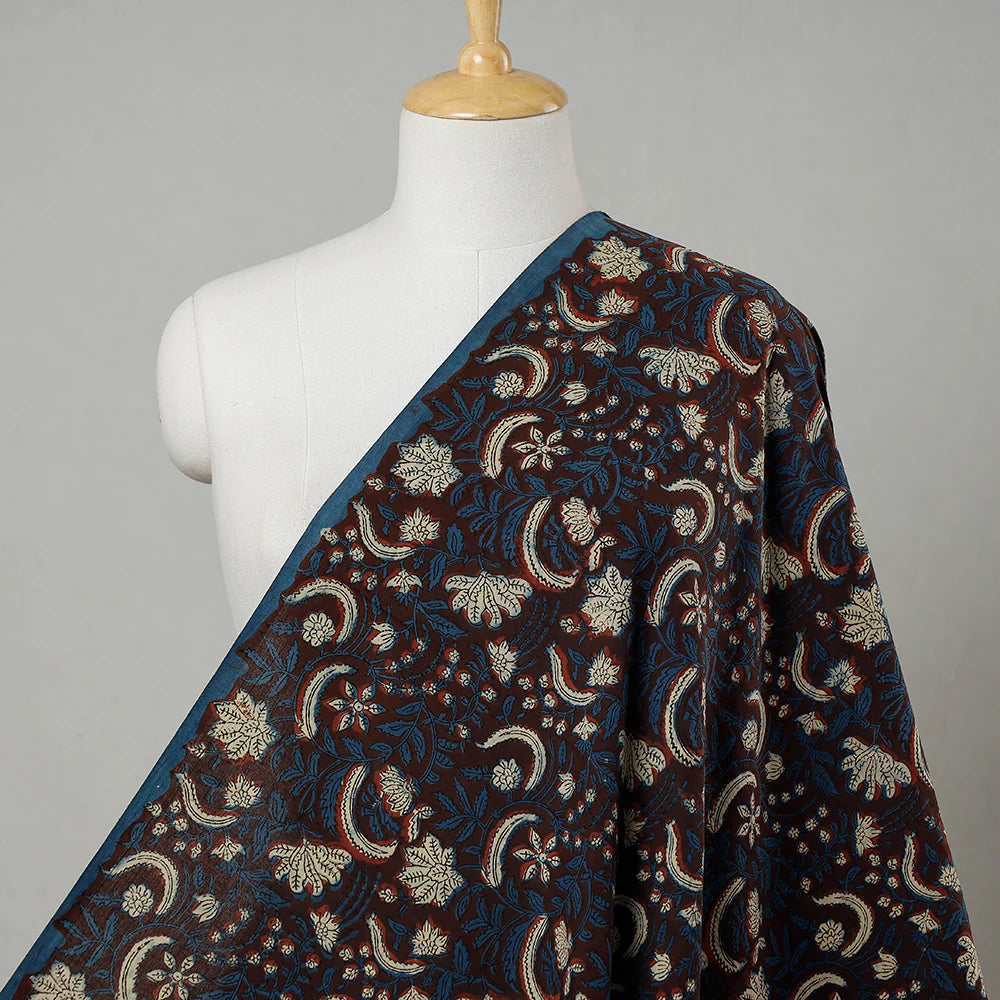
Ajrak
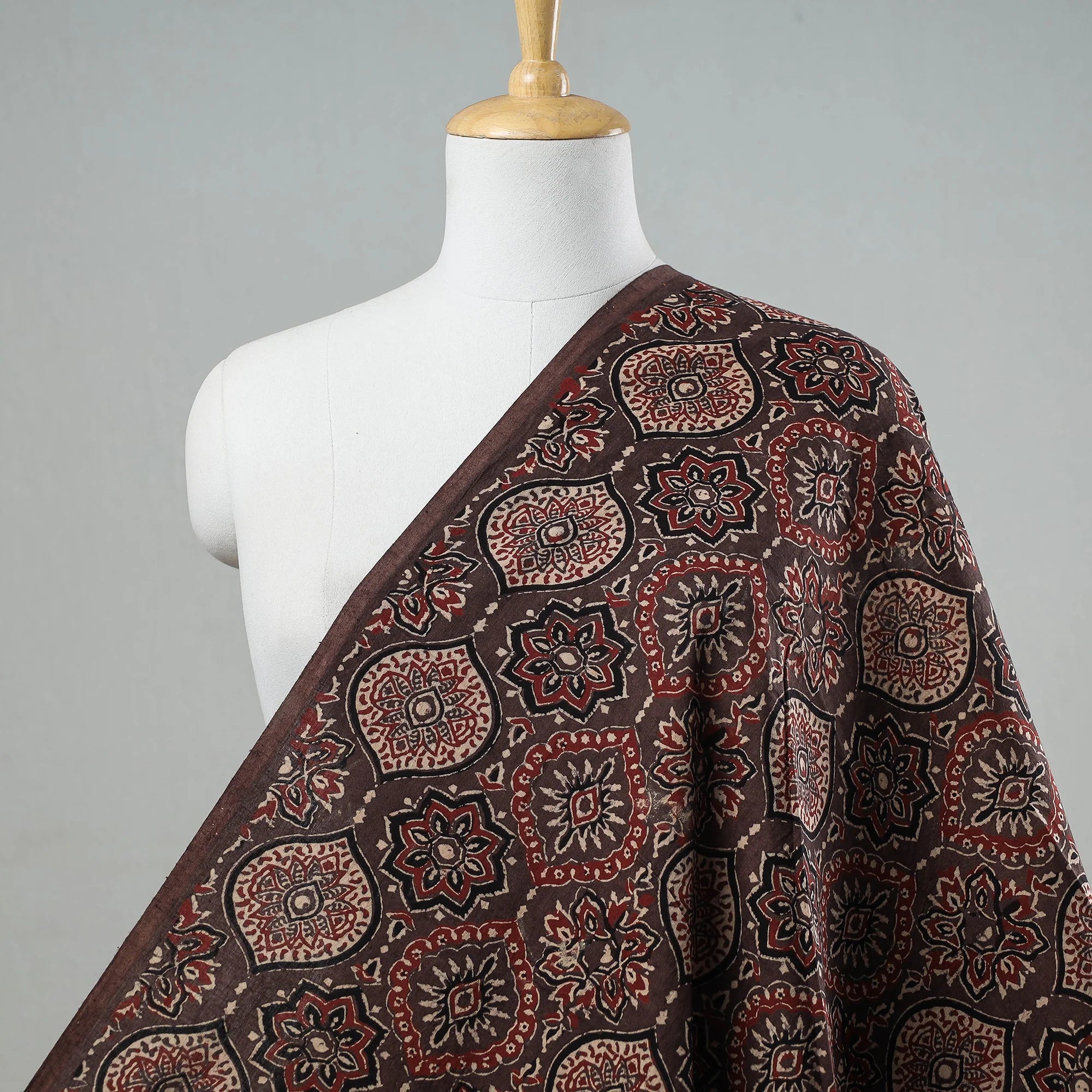
Ajrak print denotes the local culture and heritage. The wooden blocks are used to create geometric block print patterns, and only natural or vegetable dyes are used in this process. It's a perfect example of intricate block printing designs rooted in tradition.
Bagh
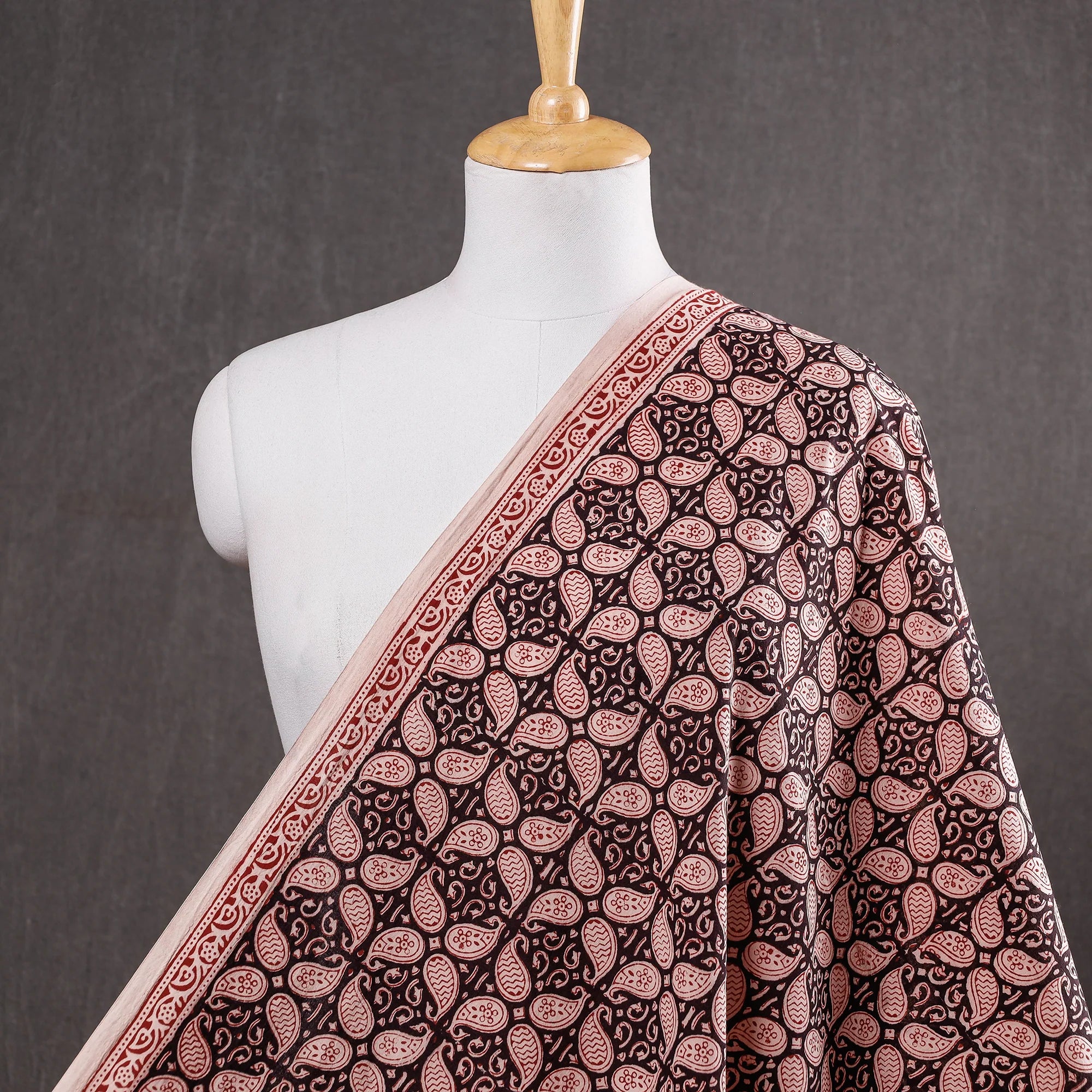
For Bagh's printing, geometric designs are made with bright colours. For this block printing process, the fabric undergoes a 'Bhatti process' that entails boiling, drying, and subsequent printing, giving Bagh its distinct and bold style.
Kalamkari
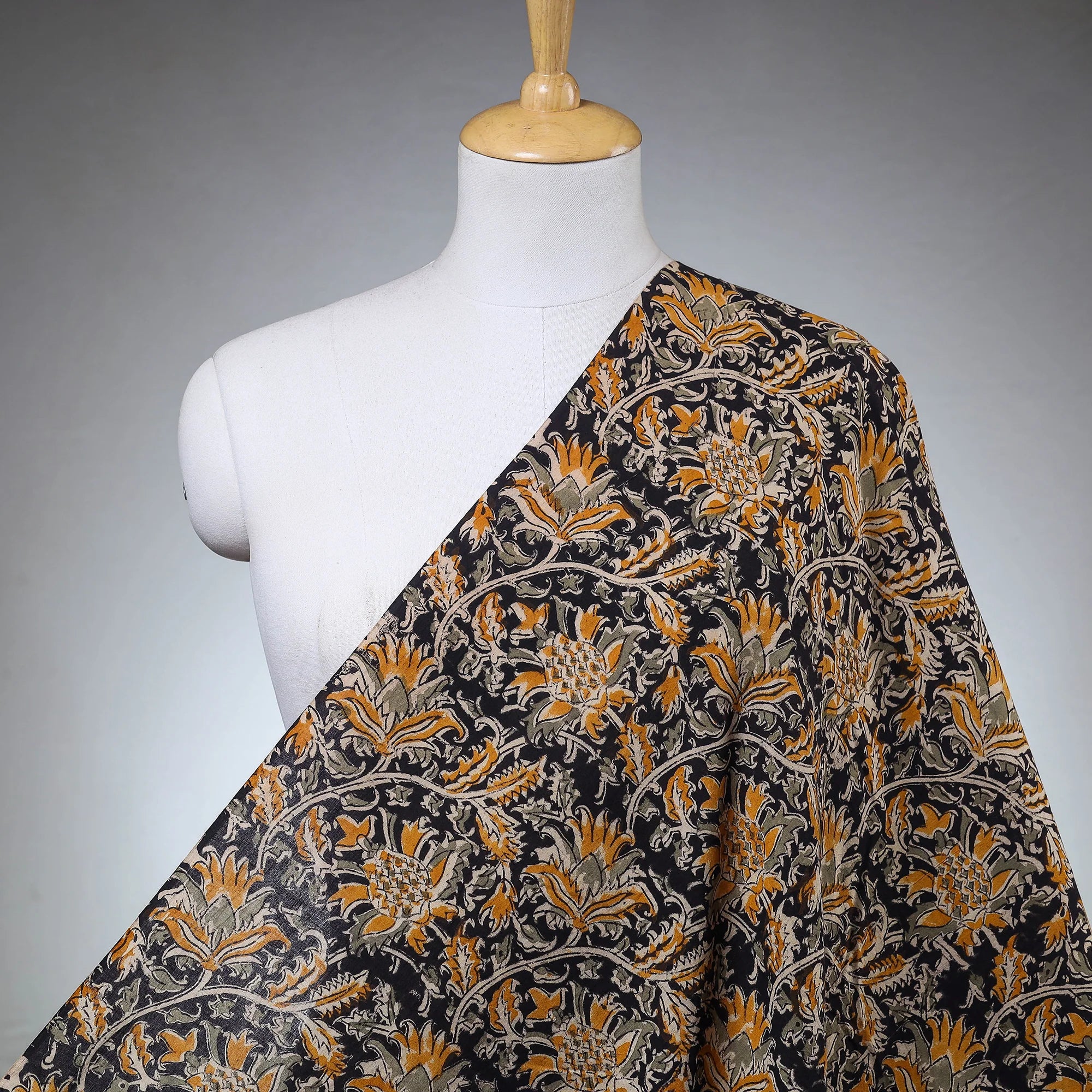
For Kalamkari, the fabric is stiffened and dried. After that, different prints are carried out as per the design. Wax is used for dyeing blue colour, whereas all other colours are hand-painted. It blends painting with the detailing of block print art.
Dabu
This form of hand block printing is a rather cumbersome process, and the dabu fabric is made to go through various phases of washing, printing, mud resistance, and then drying. The results are beautifully earthy block printing designs.
Bandhani
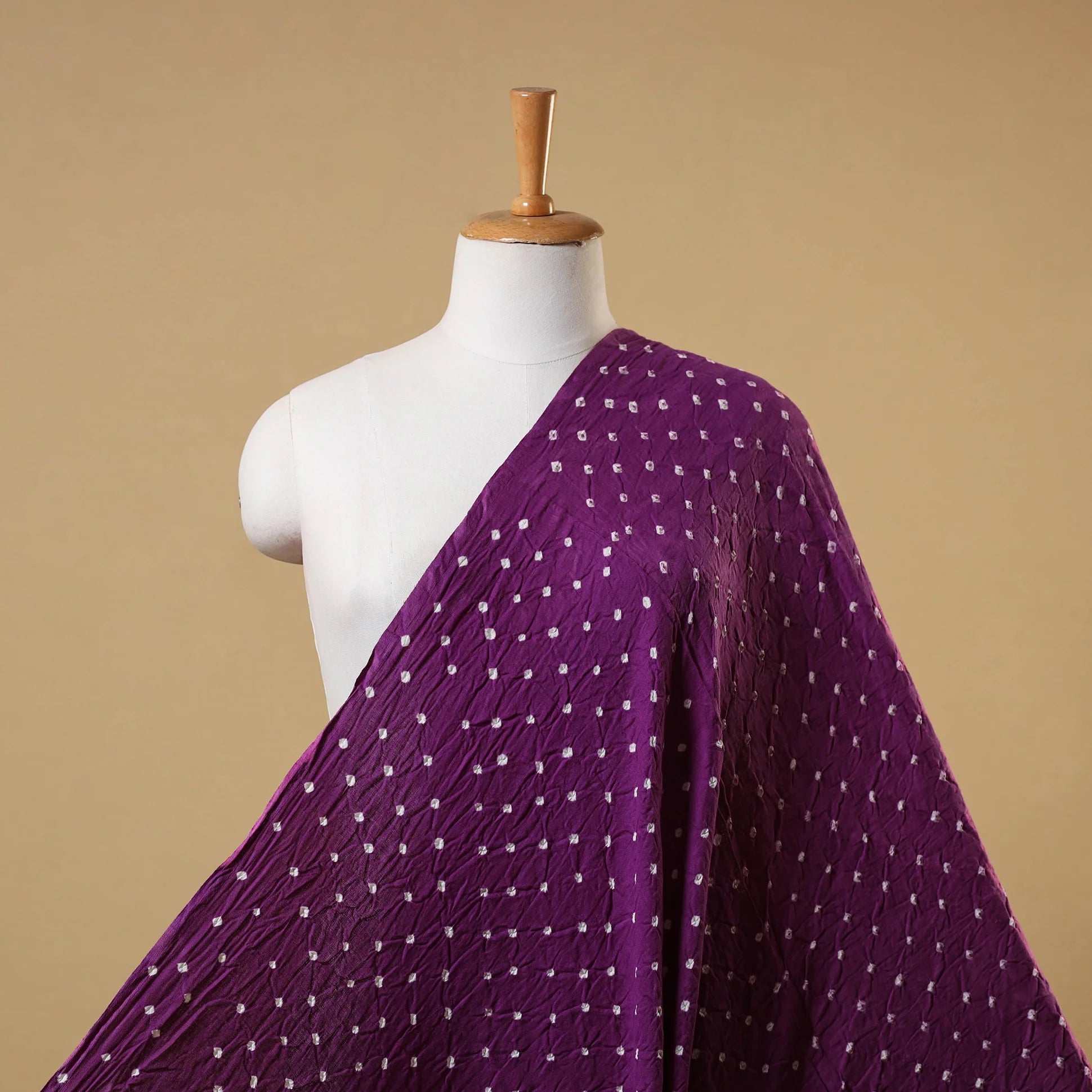
For Bandhani, the fabric is plucked using fingernails. These bindings are then dyed. Bandhani fabrics are brightly coloured and they are characterised by little dots on the fabric, distinct from blocks, yet often paired with block print patterns in fusion textiles.
The Process of Indian Block Printing
Block printing, since ancient times, involves meticulous techniques and requires skilled artisans. The history of block printing is a story of craft and legacy. It has been passed down through generations, especially in regions like Rajasthan. Let us share some of the traditional techniques that are used in Rajasthani block printing, which continues to define the legacy of block printing in India.
Block Carving
The first step of this craft is to create the block. Wooden blocks are carved with chisels with intricate designs. These designs are often inspired by nature, like floral designs, leaves, animals and more. Moreover, you can find geometric designs and motifs inspired by mythology. This stage is the very foundation of block print history, where design meets devotion.

Image credit:- Pintrest
Dyeing
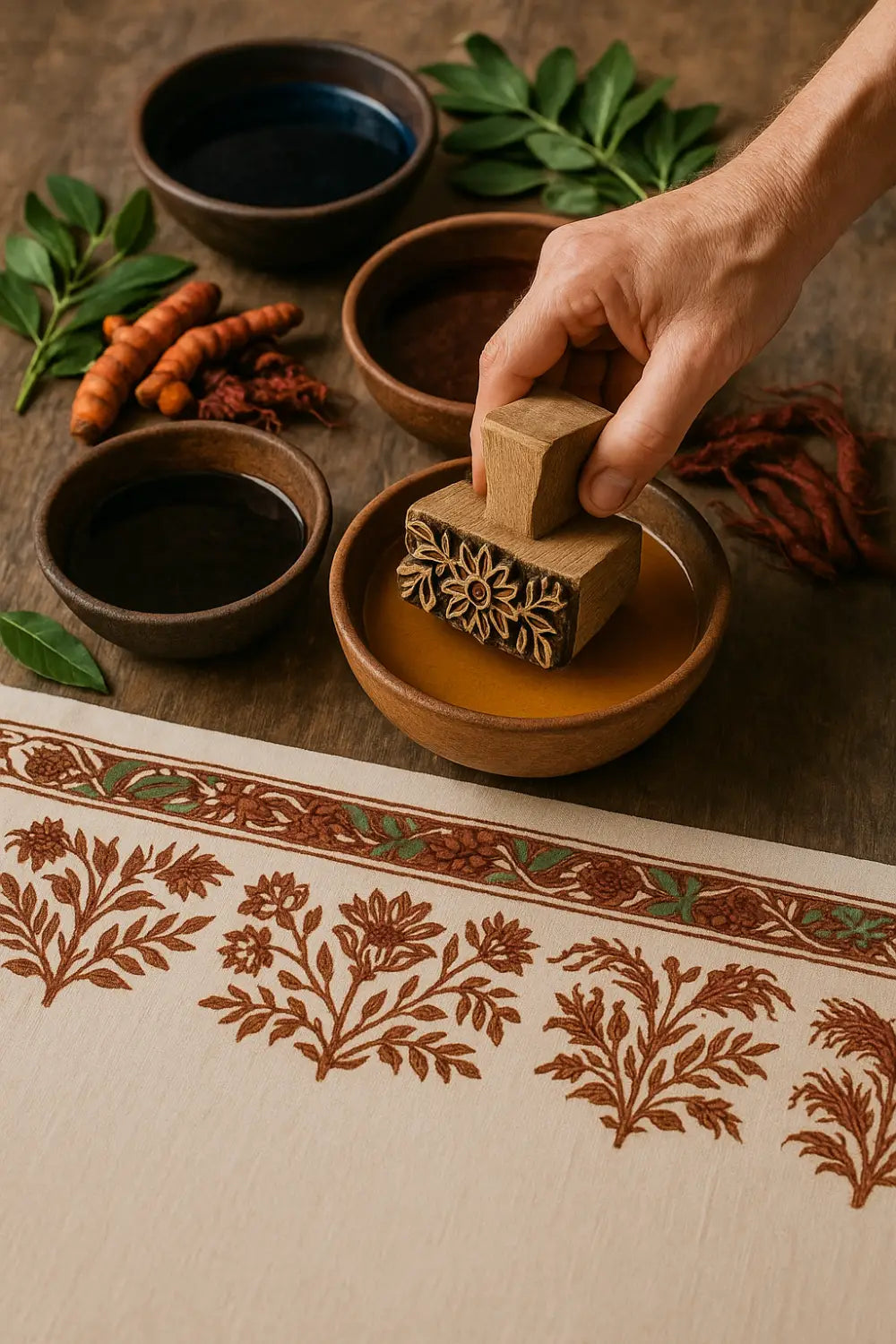
Traditionally, only natural dyes were used in Indian block printing. These natural dyes were extracted from flowers, vegetables, minerals or insects. Some of the commonly used vegetables and plants for natural dyes are turmeric, indigo, madder root and more.
Printing
The carved wooden blocks are dipped into the dye. Then they are pressed onto the fabric to create some unique designs. Sometimes multiple blocks are used for complex designs and multi-colour. This method is a signature of traditional block printing in India, blending patience with artistic precision.
Modern techniques in block printing include resist printing and screen printing, making the process faster, but the heart of the craft still lies in its heritage. The deep block printing history of India continues to influence contemporary textile design in beautiful and meaningful ways.
What Makes Block Printing A Sustainable Form Of Art
If you've ever wondered whether something as beautiful as block printing could also be kind to the planet—spoiler alert: it absolutely is. And that's what makes it even more special. Let me walk you through why this ancient craft is one of the most thoughtful, sustainable forms of art we still have today.
Eco-Friendly Dyes
Let's start with the colours. Traditional block printing in India uses dyes made from natural sources like plants, flowers, even roots and bark. No chemicals, no harsh waste. Just pure, earthy colours that don't harm the environment or your skin.
Low-Carbon Craftsmanship
Here's what I love: everything about hand block printing is done by hand. No big machines, no buzzing factories. Just artisans, their tools, and time-honoured techniques. The carbon footprint? Pretty much as low as it gets.
Minimal Waste
You'll rarely see waste lying around in a block printing studio. Artisans are intentional with what they use—every piece of fabric, every drop of dye has a purpose. It's thoughtful, slow, and so unlike the throwaway culture we're used to.
Biodegradable Fabrics
Most block-printed textiles are made on natural fabrics like cotton, khadi, or mulmul. Not only do they feel amazing to wear, but they also break down naturally when they're done, leaving no trace behind. Now that's guilt-free fashion.
Durability & Timelessness
And the best part? These prints last. They don't chase trends—they set them. A good block-printed kurta or bedsheet doesn't just survive seasons, it tells a story year after year. And honestly, it only gets better with time.
What Makes Block Printing A Sustainable Form Of Art
If you've ever wondered whether something as beautiful as block printing could also be kind to the planet—spoiler alert: it absolutely is. And that's what makes it even more special. Let me walk you through why this ancient craft is one of the most thoughtful, sustainable forms of art we still have today.
Eco-Friendly Dyes
Let's start with the colours. Traditional block printing in India uses dyes made from natural sources like plants, flowers, even roots and bark. That's why these dyes are chemical-free. They are just pure, earthy colours that don't harm the environment or your skin.
Low-Carbon Craftsmanship
Here's what I love—everything about hand block printing is done by hand. No big machines, no buzzing factories. Just artisans, their tools, and time-honoured techniques. The carbon footprint? Pretty much as low as it gets.
Minimal Waste
You'll rarely see waste lying around in a block printing studio. Artisans are intentional with what they use—every piece of fabric, every drop of dye has a purpose. It's thoughtful, slow, and so unlike the throwaway culture we're used to.
Biodegradable Fabrics
Most block-printed textiles are made on natural fabrics like cotton, khadi, or mulmul. Not only do they feel amazing to wear, but these hand-block prints also break down naturally when they're done. They leave no trace behind.
Durability & Timelessness
And the best part? These prints last. They don't chase trends—they set them. A good block-printed kurta or bedsheet doesn't just survive seasons, it tells a story year after year. And honestly, it only gets better with time.
Many of iTokri's collections feature naturally dyed block prints on organic cotton and khadi, so when you choose one, you're supporting conscious creation and centuries of tradition. When you think about the block print origin and the rich block printing history, it's not just fabric you're wearing—it's a legacy.
How iTokri Is Helping in Preserving the Block Printing
Love block printing as much as we do? Then you'll love what iTokri's doing to keep this beautiful, traditional craft alive.
-
Supporting Artisan Communities - iTokri works directly with artisan families, with no middlemen. That means fair pay and support for those keeping traditional Indian block printing alive.
-
Preserving Traditional Skills - By backing handmade work, iTokri helps pass down skills tied to the block printing origin and keeps the art relevant today.
-
Economic Empowerment - Every block printed piece sold supports rural artisans, especially in places like Rajasthan, where this craft has deep roots.
-
Fair Trade Practices - iTokri ensures artisans are paid fairly, because when you think about where block printing originated, that kind of respect is a must.
-
Community-Based Production - From carving to printing, it all happens locally. That's how the heart of block printing on fabric history stays intact.
Hand Block Print Collection Available at iTokri
If you love the charm of heritage crafts, you're going to fall for this beautiful range rooted in traditional Indian block printing.
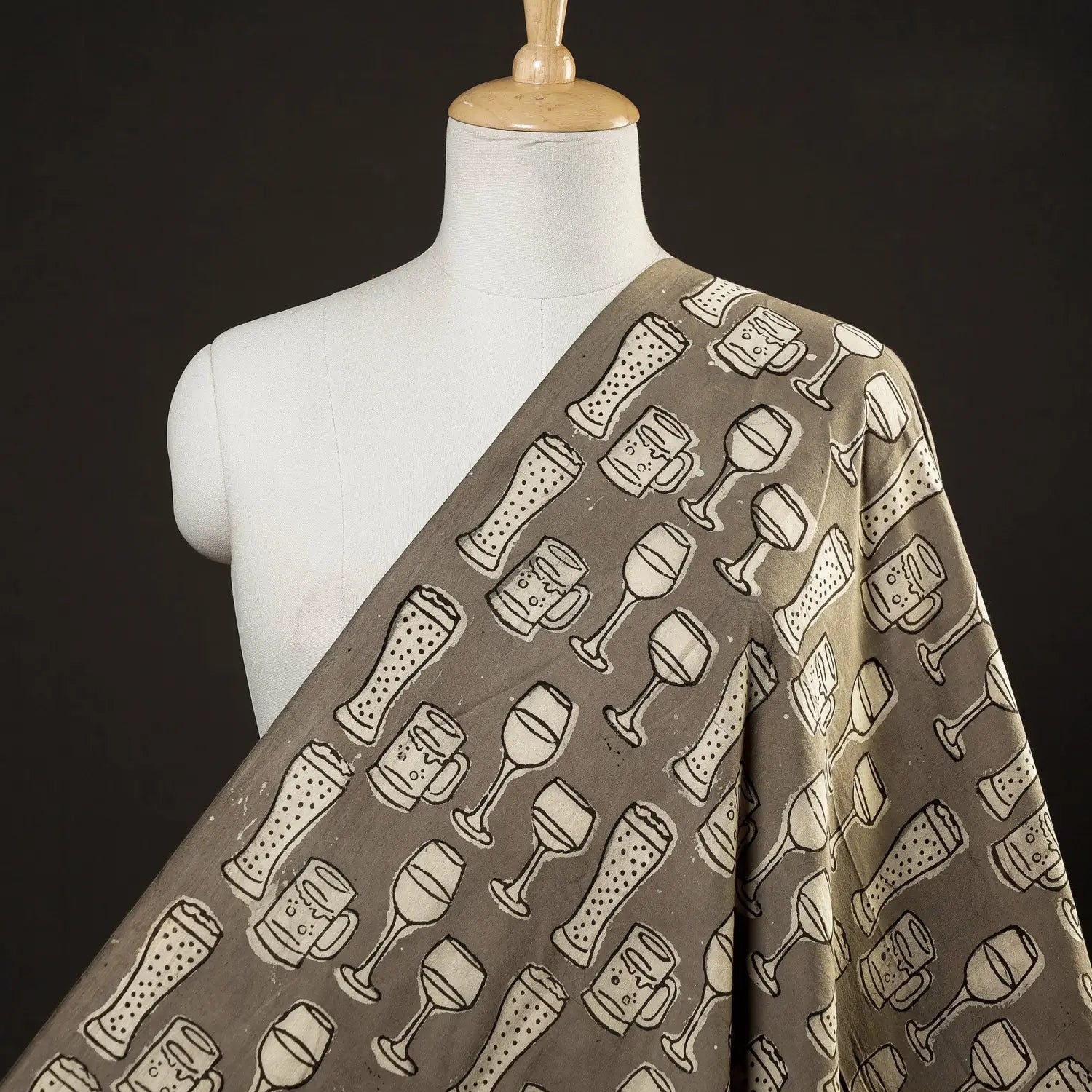
Handblock Print Fabric
-
Discover artisanal fabrics that carry the soul of Indian block printing, which is ideal for creating something uniquely yours.
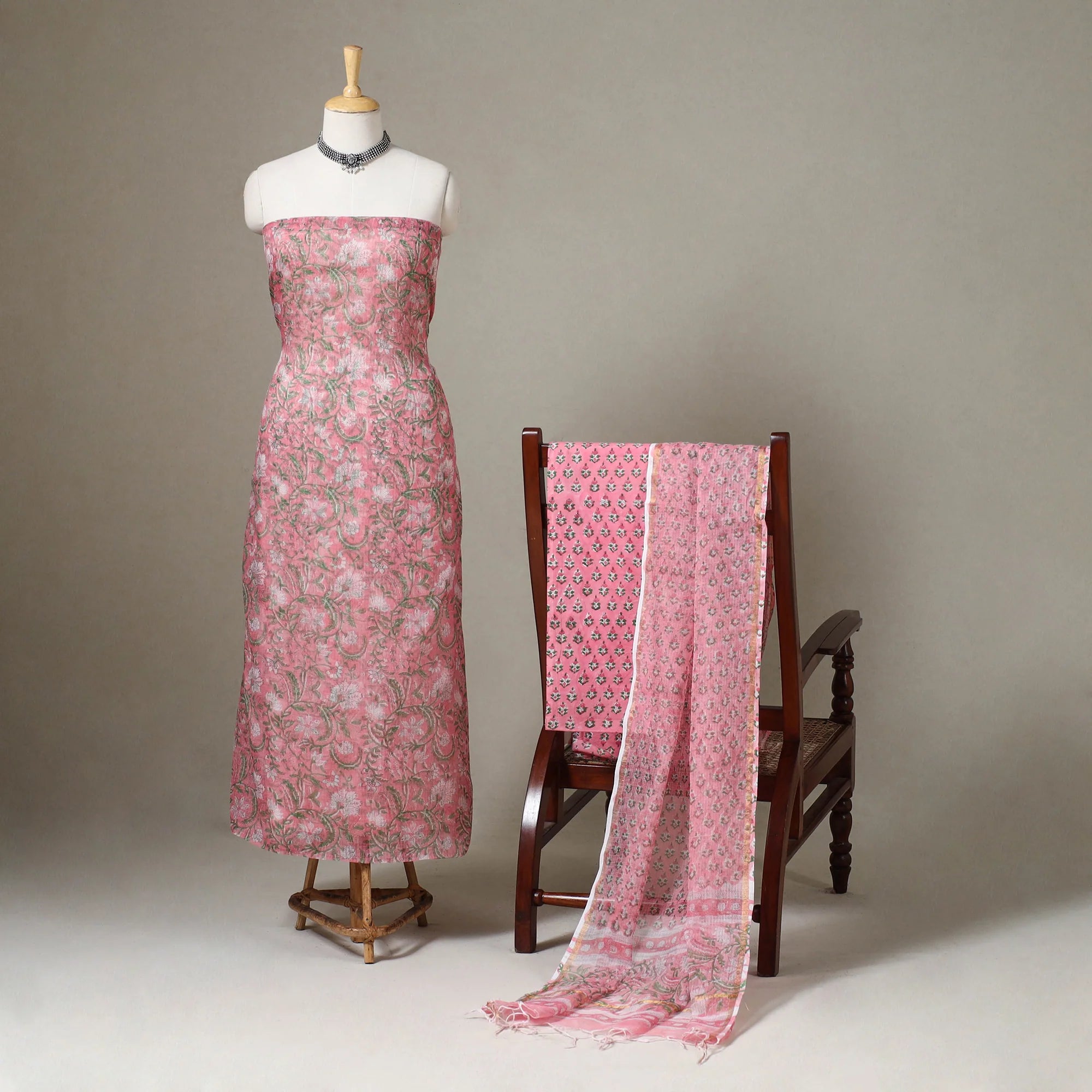
Handblock Print Dress Material
-
Bring home unstitched dress material sets featuring age-old techniques and motifs inspired by the rich block printing history of India.
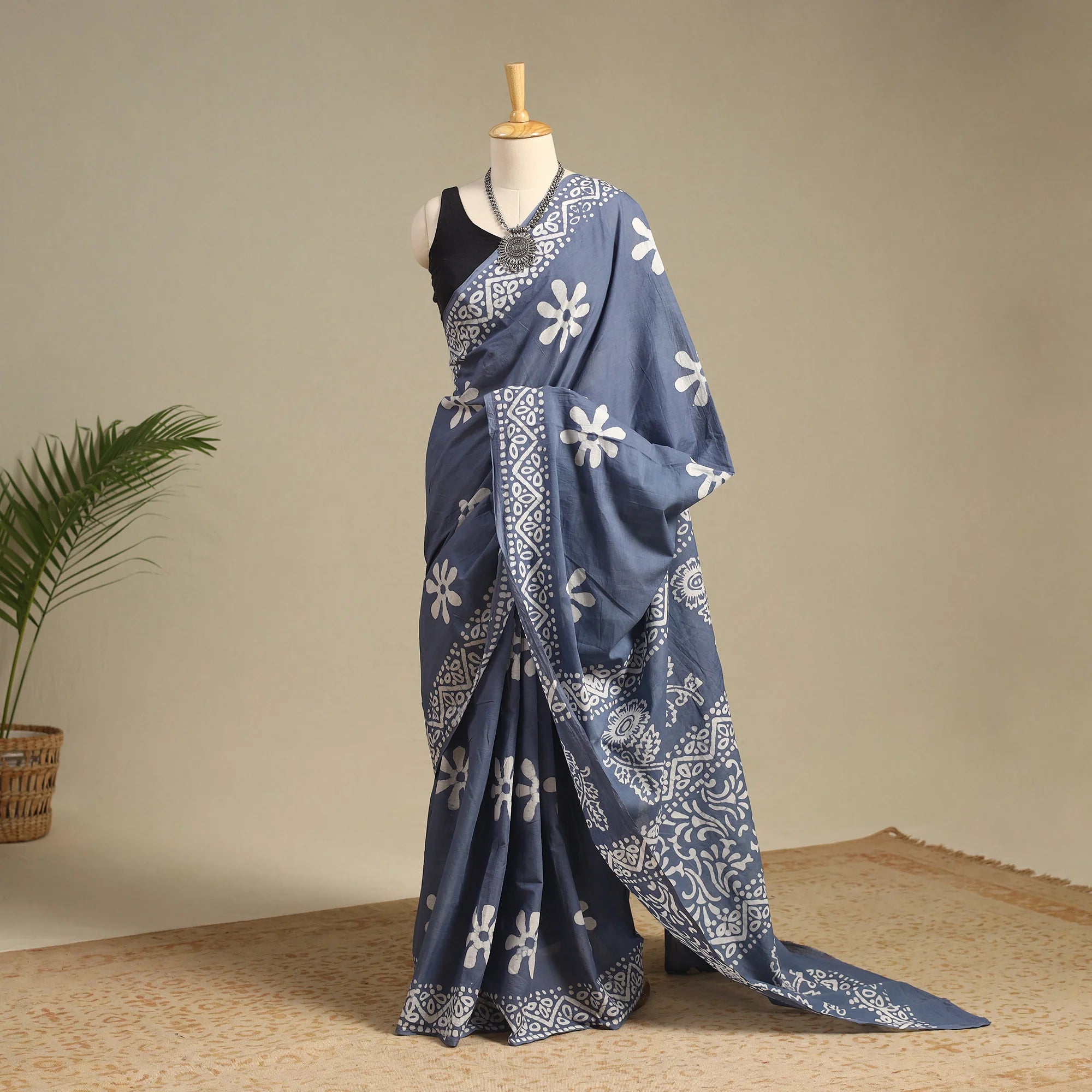
Handblock Print Sarees
-
Elegant drapes that celebrate the timeless beauty of traditional Indian block printing sarees, perfect for any occasion.
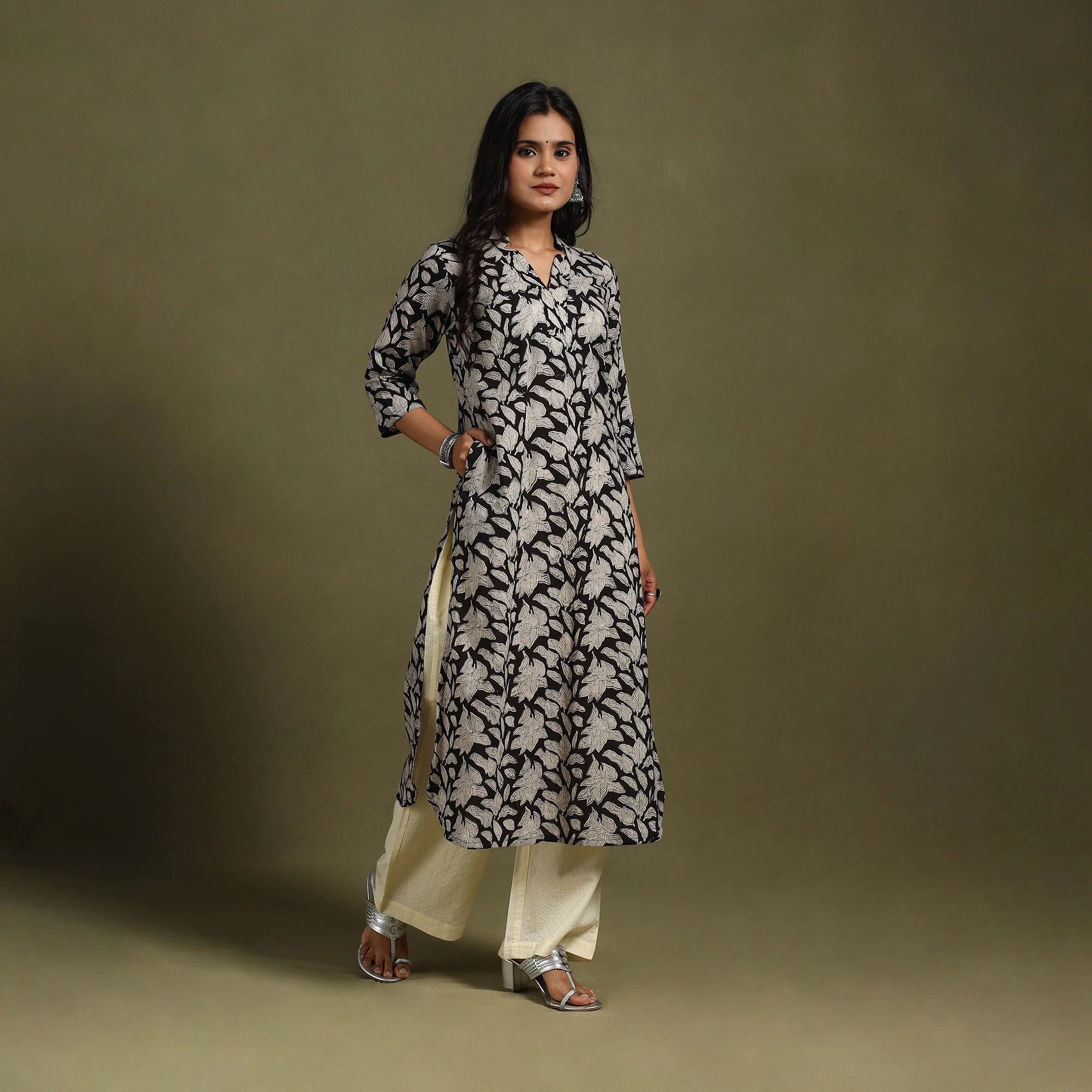
Handblock Print Kurtis
-
Stay comfortable and effortlessly stylish with women’s kurtis showcasing the intricate detail of Rajasthani block printing.
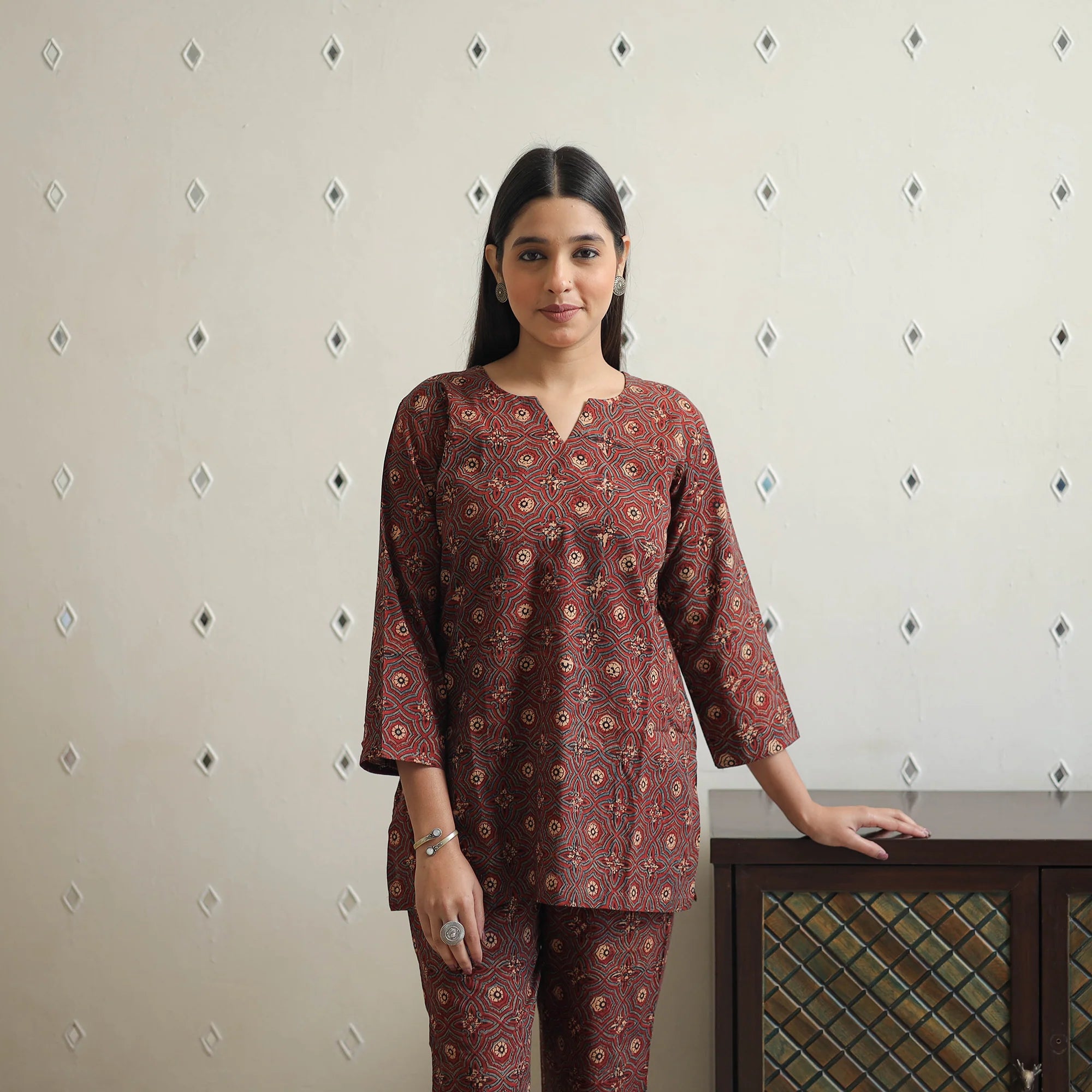
Handblock Print Coord Sets
-
A perfect blend of modern fashion and age-old art, made using authentic Indian block printing methods.
Conclusion
So, the next time you find yourself drawn to a beautiful piece of block-printed fabric, pause for a moment and think about what you're really holding. It's more than just a pretty pattern. Hand block prints are a part of our culture. A slice of the history of block printing in India that's still very much alive today.
From the bold, earthy prints of Bagru to the delicate florals of Sanganer, the block prints of India come in many styles. That's what makes them so special. There are so many types of block printing out there, each rooted in tradition, yet still evolving with the times.
Rajasthan, especially, continues to lead the way with its rich legacy and growing community of artisans. The iconic Jaipur block print fabric is proof that age-old methods still have a place in today's world and our wardrobes.
At the heart of it all is a deep respect for the origin of block printing, where every block, dye, and motif tells a story. And by choosing to wear or support this craft, you're not just embracing style, you're helping keep a centuries-old tradition alive.
FAQs on Indian Block Printing
1. Who invented block printing in India?
Woodblock printing in India was introduced by the Chippa community in Rajasthan. They brought and nurtured this craft over generations, giving rise to iconic techniques like Bagru hand block print and Sanganeri block print, now celebrated parts of Rajasthan block printing history.
2. What is the Indian block printing method?
The Indian block printing method uses hand-carved wooden blocks and natural dyes—often made from vegetables, minerals, and plants—to create intricate motifs on fabric. It's still widely used today to make everything from garments and artisan-made block-printed sarees and kurtis to home furnishings.
3. What is the history behind block printing?
Block printing is believed to have originated in China, with its earliest known use on paper, specifically a Buddhist text called the Diamond Sutra. From there, the technique spread across Asia and became deeply rooted in India, primarily through the evolution of Rajasthan block printing history.
4. When was block printing first used?
The origin of block printing dates back to 220 AD in ancient China. Since then, it has developed into a significant textile art in India, valued today for its beauty and as a symbol of fair trade hand-block printed products in India.
5. Where is block printing from in India?
In India, block printing is said to have started in Bagru, Rajasthan. The Chippa community here played a key role in its development, and Bagru continues to be a vital part of Rajasthan block printing history.
6. What are the two types of block printing?
There are actually three significant types of block printing in India:
-
Direct printing, where patterns are applied directly to the fabric.
-
Discharge printing, which removes colour from dyed fabrics to create a print.
-
Resist printing, where certain areas are protected with mud or wax before dyeing.
These techniques are commonly used in sustainable block-printed fashion in India.
7. What wood is used for Indian block printing?
Sheesham wood (Indian rosewood) is commonly used to carve blocks for printing. Each colour in a design typically requires its own block, allowing for the detailed work seen in artisan-made block-printed sarees and kurtis.
8. Which Colour is used in block printing?
The most popular colours in block printing include saffron, yellow, blue, and red. These are usually made from natural dyes used in Indian block printing, which not only create vibrant results but also support eco-friendly and sustainable block printed fashion in India.
Citations
- https://en.m.wikipedia.org/wiki/Woodblock_printing
Popular Blogs
Leheriya tie-dye techniques | Ajrakh print origin in India | Types of Bandhani patterns and their symbolism | Traditional Sanganeri printing technique | Custom Handmade Stitched Outfits | How to choose fabric | Difference between linen and cotton fabric | Best colour combination for saree


Leave a comment (all fields required)